
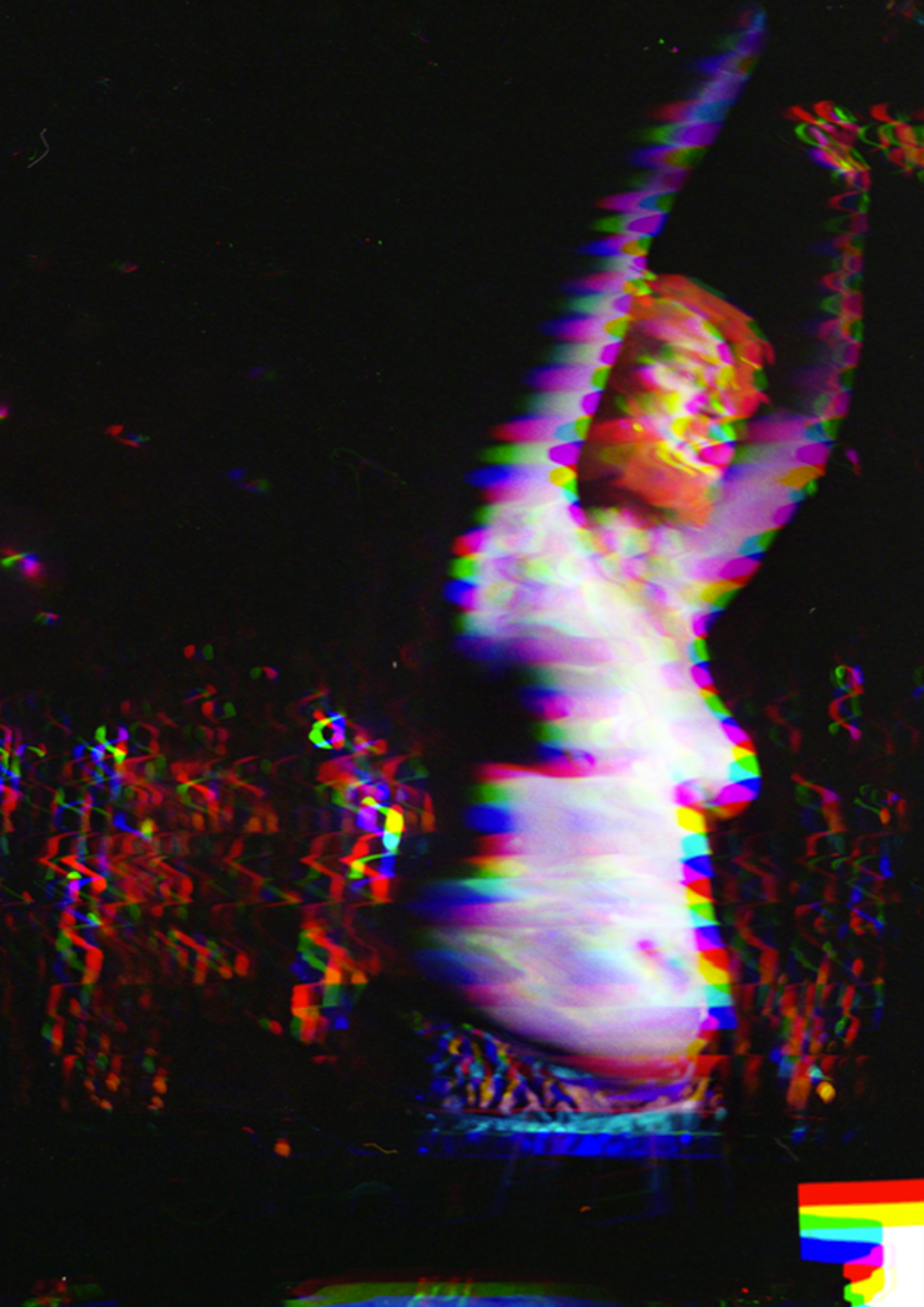
Generational Threads: Of Apples and Sins
My artistic practice routed in collaboration, is invested in the excavation of personal and often intimate narratives. In an attempt to build a code of ethics for participatory work, I engaged my parents in two projects exploring the histories of women in our family. This resulted in a zine with collaborative embroidery designs, vernacular and candid photographs and an artist book combining metal work, staged and still life photography.
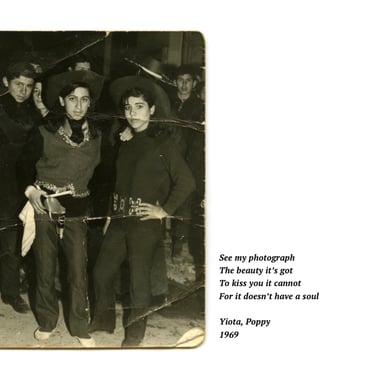
APPLE
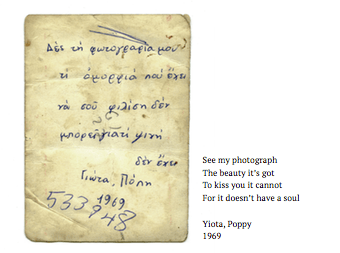
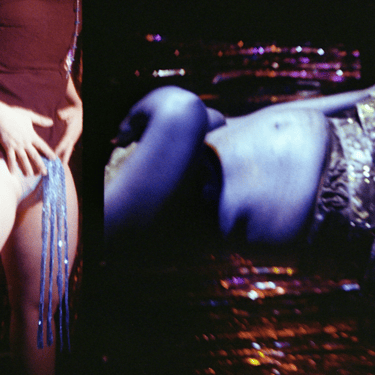
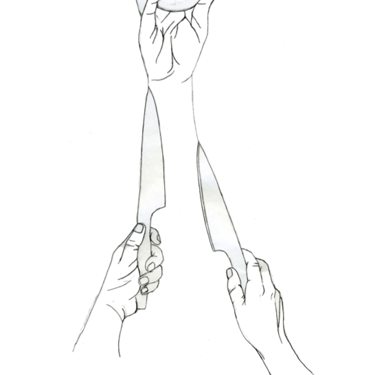
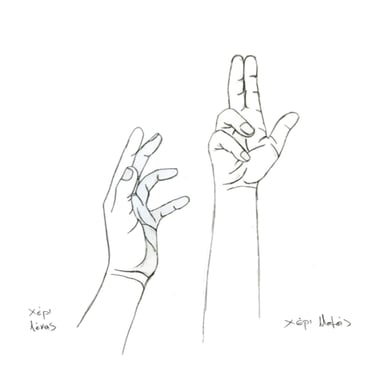
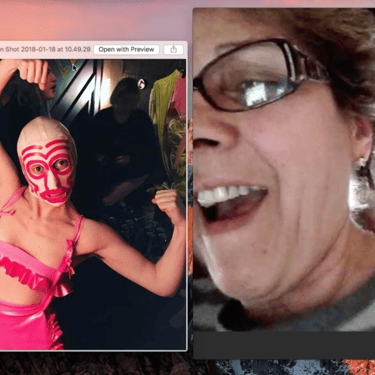
This book follows the story of a creative collaboration between a mother and daughter in an attempt to reconcile and understand the nature of their relationship with each other, themselves, and the world around them. Its’ narrative, echoing the fractured nature of their relationship, is broken in three distinct parts which are interwoven and placed next to imagery found, created and exchanged throughout the collaboration. This image exchange, supported by their personal histories, is framed by the research that the mother-daughter discussions inspired, which is in turn set side by side with a progression of collaborative embroidery designs. At its’ heart, the question that the project is seeking to answer is how patriarchy, linked to capitalism, is internalised in women’s behaviour and reflected in their histories. At the same time, the inconclusive fluctuation between the personal and universal, invites the reader to form their own associations and extract meaning that may relate to their own personal realities.
Sins of Fathers
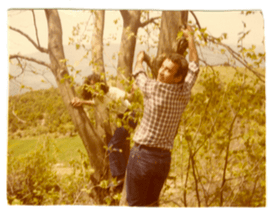
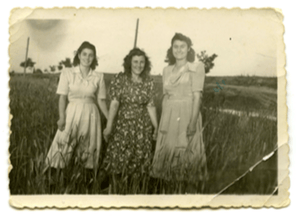
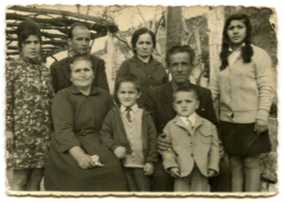
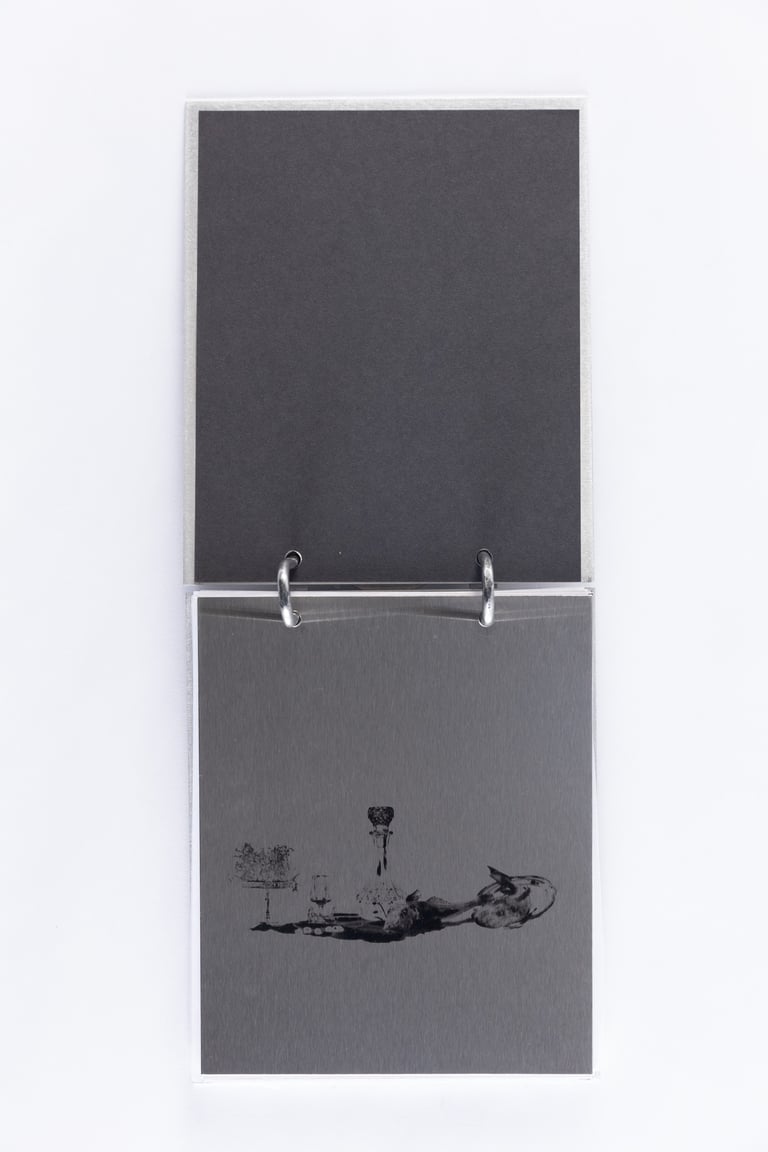
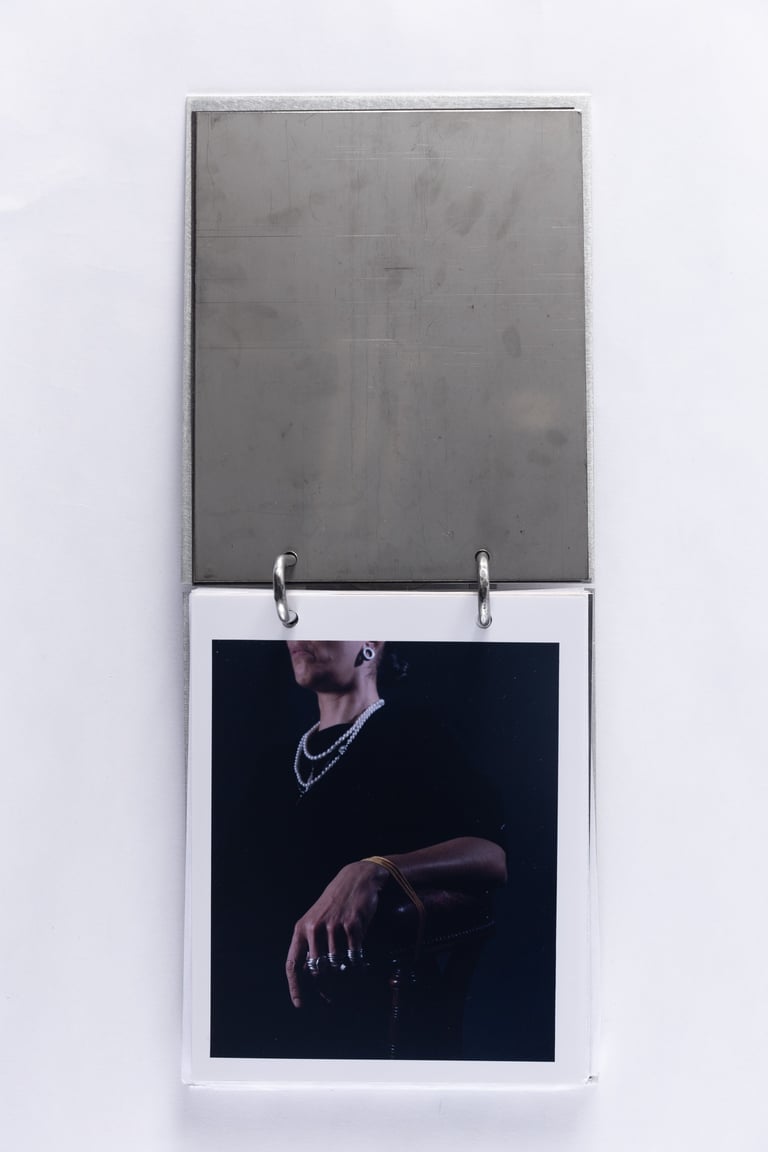
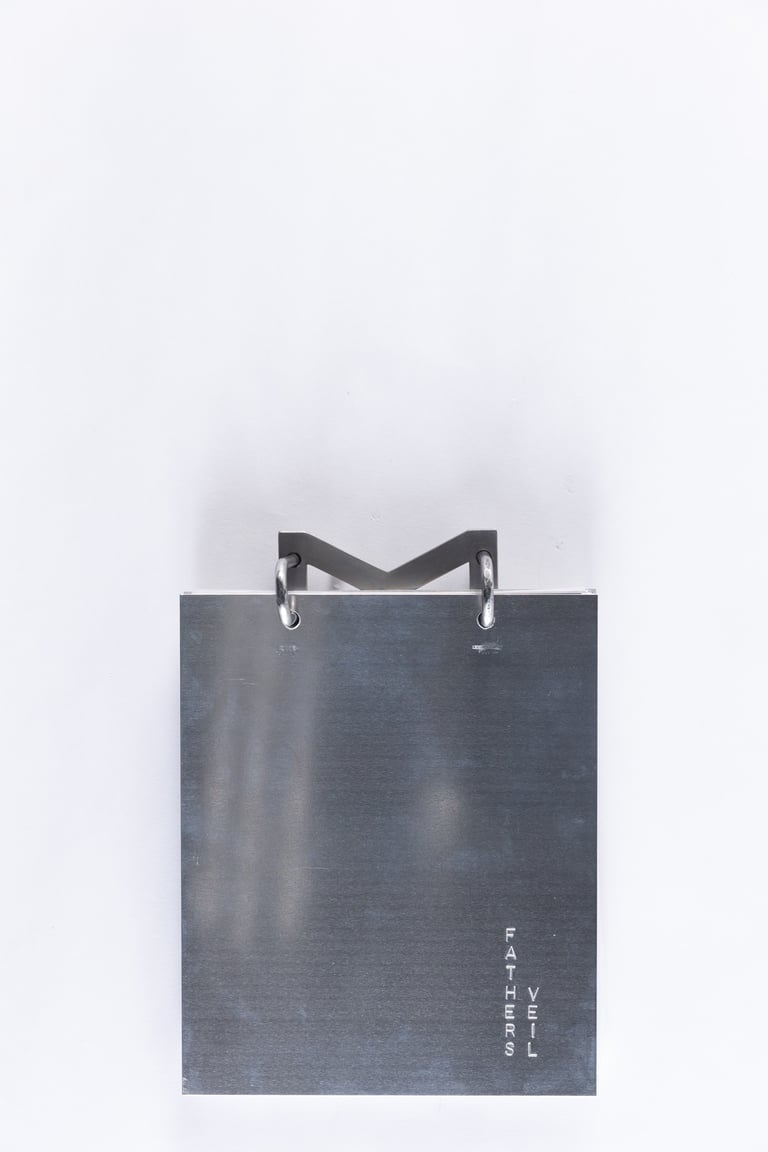
This project is an extension of an ongoing exploration of trans-generational narratives and personal ethnographies. The narratives in question revolve around the women of my Greek family; their experiences, which in many ways are characterised by gendered oppression, and the threads that connect such experiences: the material and immaterial expressions of them. ‘Sins of Fathers’, attempts to go one step further and include my father’s narrative, told through his memories of his mother, Maria. The result is a character study of a woman unknown to me and an exploration of my relationship with my father: an elaborate and deeply personal family portrait.
At any rate, when a subject is highly controversial-and any question about sex is that-one cannot hope to tell the truth. One can only show how one came to hold whatever opinion one does hold. One can only give one's audience the chance of drawing their own conclusions as they observe the limitations, the prejudices, the idiosyncrasies of the speaker. Fiction here is likely to contain more truth than fact.
A Room of Ones One, Virginia Woolf, 1929
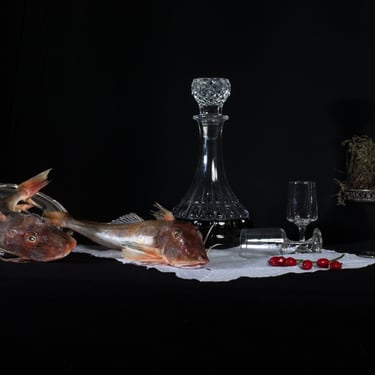
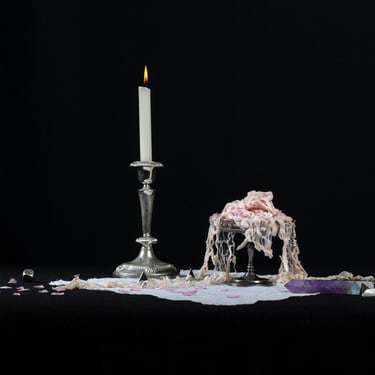
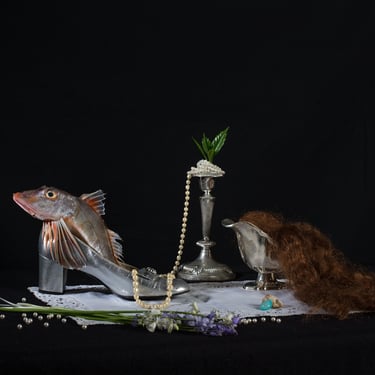
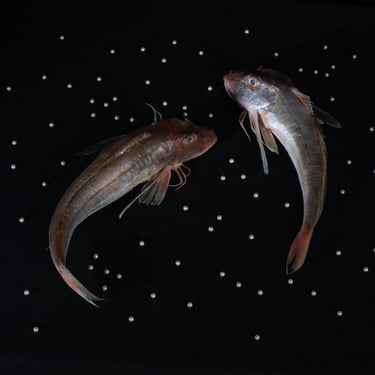
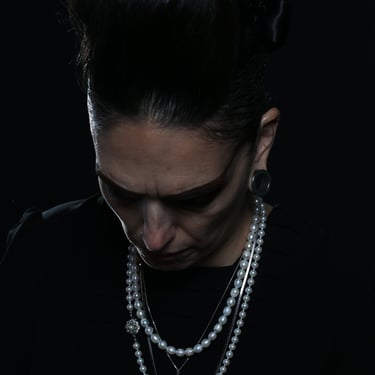
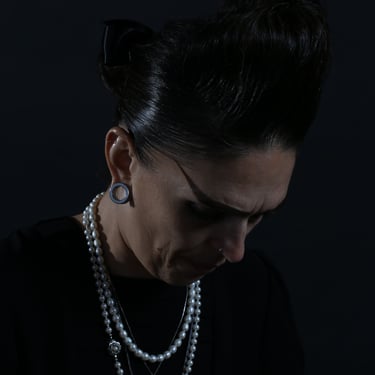
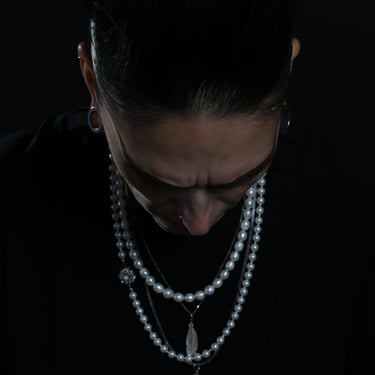
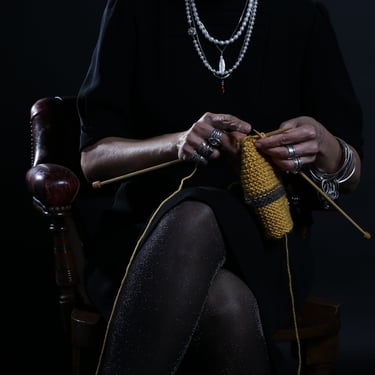
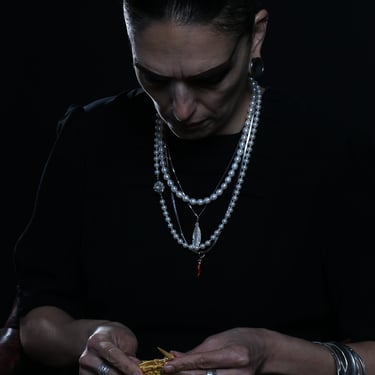
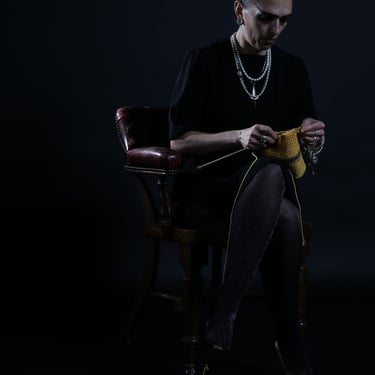
Marianne Hirsch defines post-memory as a memory characterised by generational distance from events and from history. She believes that post-memory is the deep connection of the new generations to their past and is experienced not through re-collection but through imaginative investment and creation. Staged photography is used here as a device and as a process which help define the author's role as a particle of this family history. Using carefully arranged and vaguely symbolic still-lives, the project comments on the selectiveness of memory, itself filtered by cultural influences and matters of identity. They are juxtaposed to image-texts of family photos, which offer the narrative of Maria's life. The analysis of the "familial looks' in these image-texts, give away clues about the relationships between the family members and the meaning behind the still-lives. Both artefacts are produced in steel and aluminium; the cold and masculine materials which express the project's core exploration of gender. Maria's imagined reality is materialised through the photographic observation of a female performer, as she engages in activities that defined Maria's life at home. The actions of knitting and embroidery - chosen to express the position of the woman of that time, placed in this context. become unsettling and disturbing. The repetition of activity in multiple photographs add a dimension of time passing, a life lived, while the subject remains unchanged in the same position. Finally, a chair is used as a metaphor for the presence/absence dichotomy which in the end defines the relationship between the family members.
Photography, Film, Archive Curation
Archiving and cultural production through participatory lens-based media practices.
© 2026. All rights reserved.